Pragjyotishpur: Assam before Assam
Assam is widely known across India as the abode of Goddess Kamakhya, the embodiment of feminine force, desire, and procreation.
Assam’s 2026 verdict is more than another state election win for the BJP. It marks the consolidation of a political model that may increasingly define how the party expands and sustains power in culturally complex regions far from the Hindi heartland.





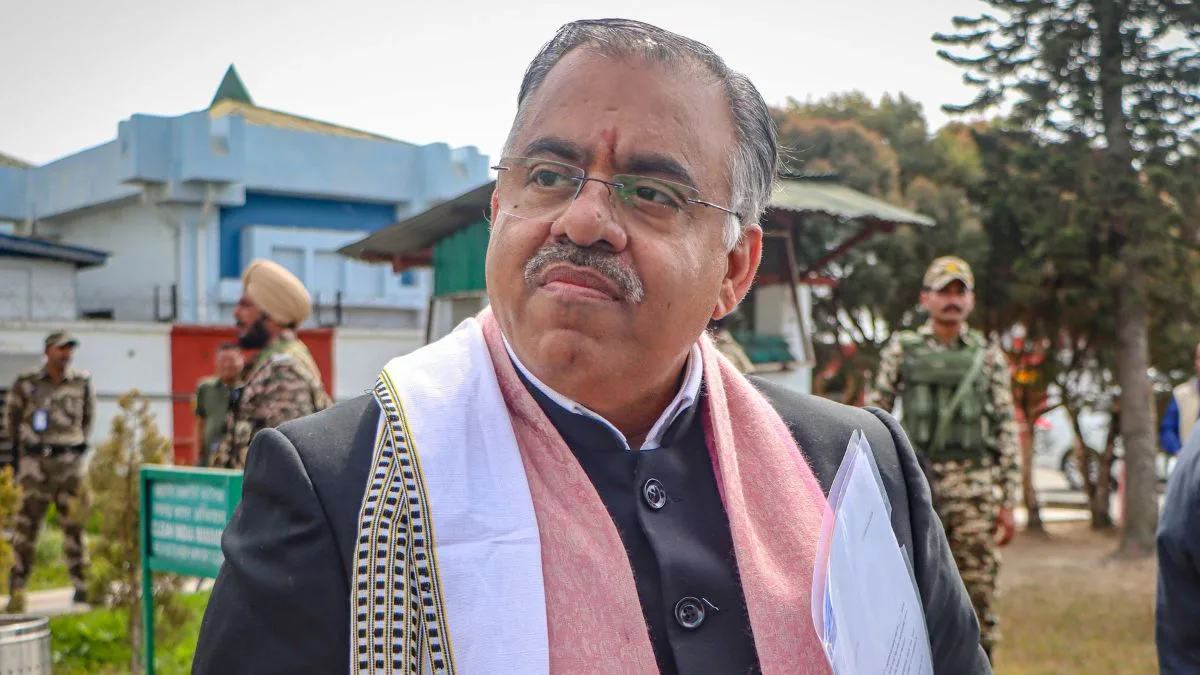
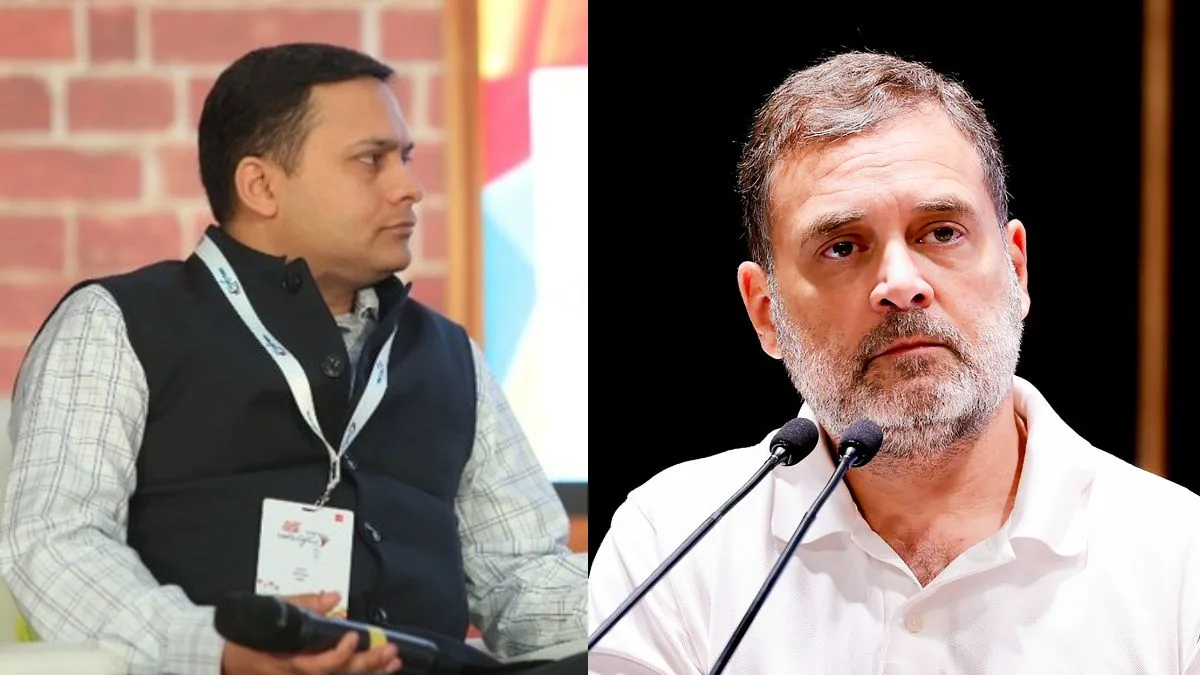
Assam Chief Minister Himanta Biswa Sarma (Image: IANS)
Assam’s 2026 verdict is more than another state election win for the BJP. It marks the consolidation of a political model that may increasingly define how the party expands and sustains power in culturally complex regions far from the Hindi heartland. The significance of the result lies not merely in the number of seats won by chief minister Himanta Biswa Sarma’s BJP but the manner in which Assamese identity politics has been absorbed into a larger Hindutva framework without appearing externally imposed.
For decades, Assam’s politics revolved around anxieties over migration, land, language, and indigenous identity. The anti-foreigner agitation of the late 1970s and 1980s was not originally framed through a pan-Hindu lens. It was rooted in Assamese nationalism. What Mr Sarma and the BJP have achieved is the transformation of that regional insecurity into a broader religious consolidation that places Bengali-speaking Muslims at the centre of political mobilisation. That shift explains why the BJP continues to succeed in a state once considered resistant to its conventional brand of politics. Welfare schemes, roads, bridges, and direct cash transfers matter electorally, but they function within a deeper emotional narrative.
Advertisement
The BJP has managed to convince large sections of Assamese society that cultural survival and political stability are inseparable from Hindu consolidation. The opposition failed to understand the depth of this transformation. The Congress continued to campaign as though corruption allegations, unemployment figures and anti-incumbency alone could destabilise the government. But identity-driven politics cannot be countered by administrative criticism alone. The BJP was fighting a civilisational campaign; the opposition answered with a bureaucratic one. Mr Sarma’s personal political style also mattered enormously.
Advertisement
Unlike many regional leaders who remain confined to their states, he has cultivated national visibility through aggressive messaging, polarising rhetoric, and relentless media projection. In Assam today, the BJP’s political machinery is increasingly identified with the chief minister rather than solely with Prime Minister Narendra Modi. That creates a new power centre within the saffron ecosystem. Equally important is the silence surrounding the methods used to sustain this dominance.
The shrinking political space for Bengali Muslims, the effects of delimitation, the normalisation of incendiary rhetoric and the fear of electoral backlash among opposition parties together point to a deeper democratic shift. The issue is no longer whether communal polarisation influences elections in Assam. The issue is that it has become structurally embedded in mainstream political strategy. What happened in Assam may not remain confined to Assam. The election demonstrates how regional ethnic anxieties can be successfully merged with national religious nationalism to create a durable electoral coalition. That is the real political lesson of 2026. The BJP did not merely win another election in the Northeast. It may have perfected a template for long-term ideological dominance in culturally sensitive border states.
Advertisement